
How it works
- Hull Vane®
How it works – Hull Vane®
Forward Thrust
The flow of water under a vessel’s stern isn’t always horizontal but angled upwards.
Our Hull Vane® has a profile shaped like a horizontal wing, which generates lift perpendicular to this flow. The horizontal component of this lift provides forward thrust that is transmitted through the Hull Vane’s struts.
We designed and engineered the wing’s hydrodynamic profile so that the thrust it generates is greater than the drag it creates. In other words, the net result is reduced resistance for your vessel as a whole.
Wave Reduction
The Hull Vane’s wing-shaped profile creates an accelerated flow of water over its upper surface, producing a low-pressure region behind your vessel. This interacts with your vessel’s wake to suppress its stern wave in much the same ways as a bulbous bow suppresses a vessel’s bow wave.
There’s a direct correlation between a vessel’s wake, or wave pattern, and the power required for propulsion. Suppressing the stern wave therefore reduces fuel consumption.
What’s more, a suppressed wake pattern reduces noise levels and creates less disturbance for others and – as a naval vessel – lower visibility!
Trim Correction
The Hull Vane® also reduces the running trim, keeping the vessel at even keel throughout its entire speed range.
Incorporating a Hull Vane® in the early design stages allows naval architects to design their vessels for minimal trim variations.
In shallow water, the vertical component of lift that the Hull Vane® produces significantly reduces a vessel’s squatting effect, allowing for higher top speeds.
Reduced Pitching
When sailing in waves, the Hull Vane® damps pitching motions.
This reduces wave resistance and, in turn, improves on-board comfort and safety, for example helicopter operations and/or launching/recovering daughter craft.
And interestingly, when a vessel is pitching, a Hull Vane® generates even more forward thrust – an effect we call the ‘pumping effect’.
Benefits
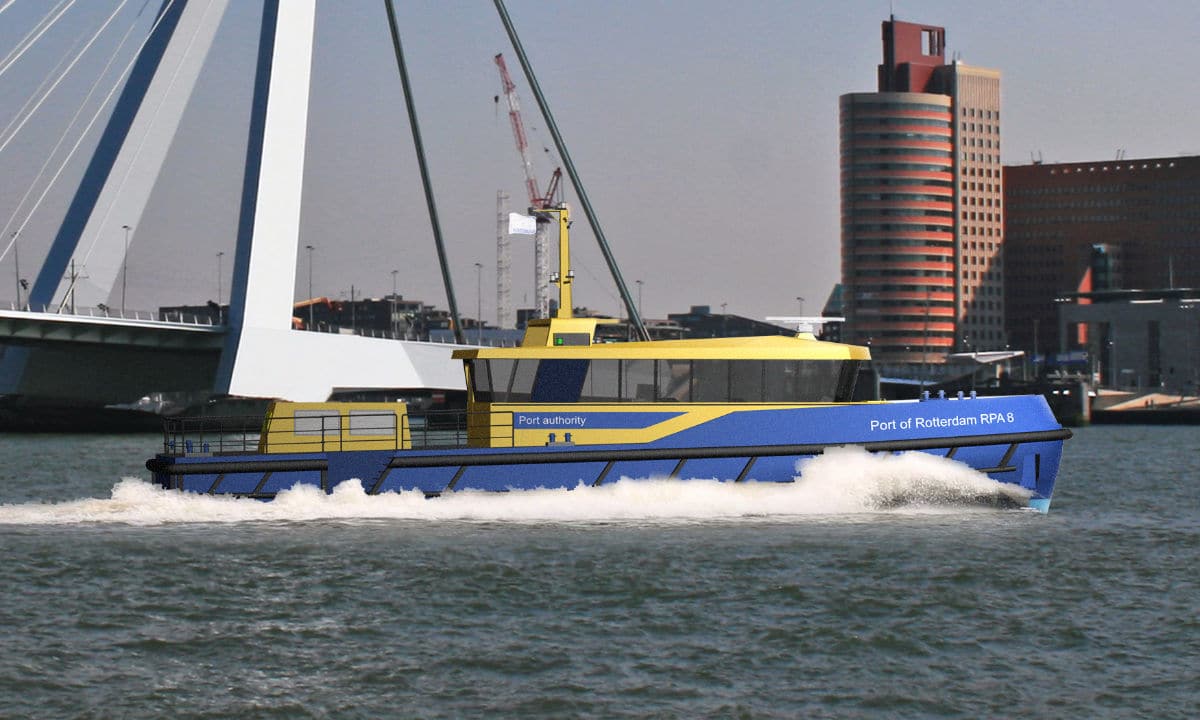
Naval & Patrol Vessels
- Increased operability
- Reduced emissions
- Improved seakeeping
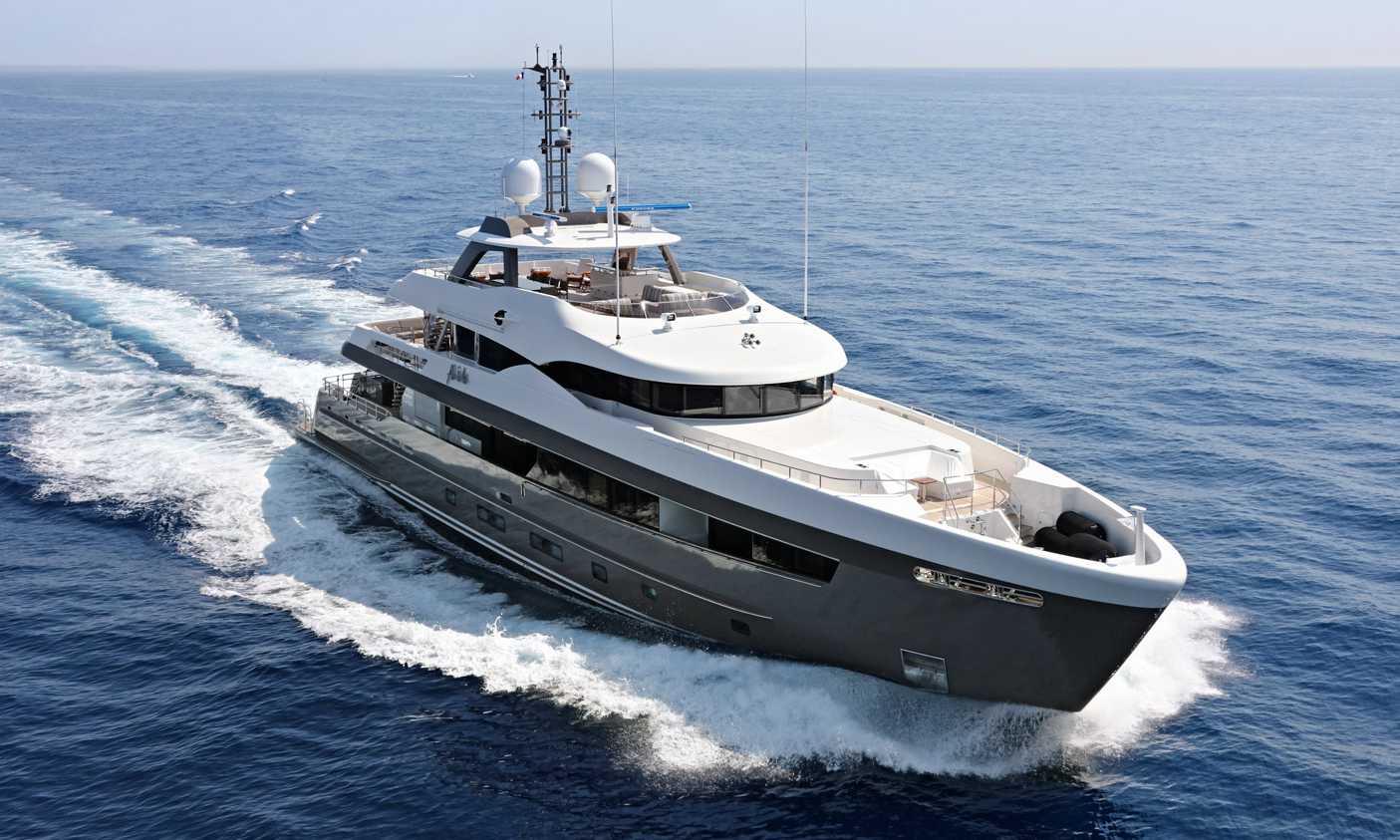
Yachts
- Increased comfort
- Higher speed
- Reduced noise
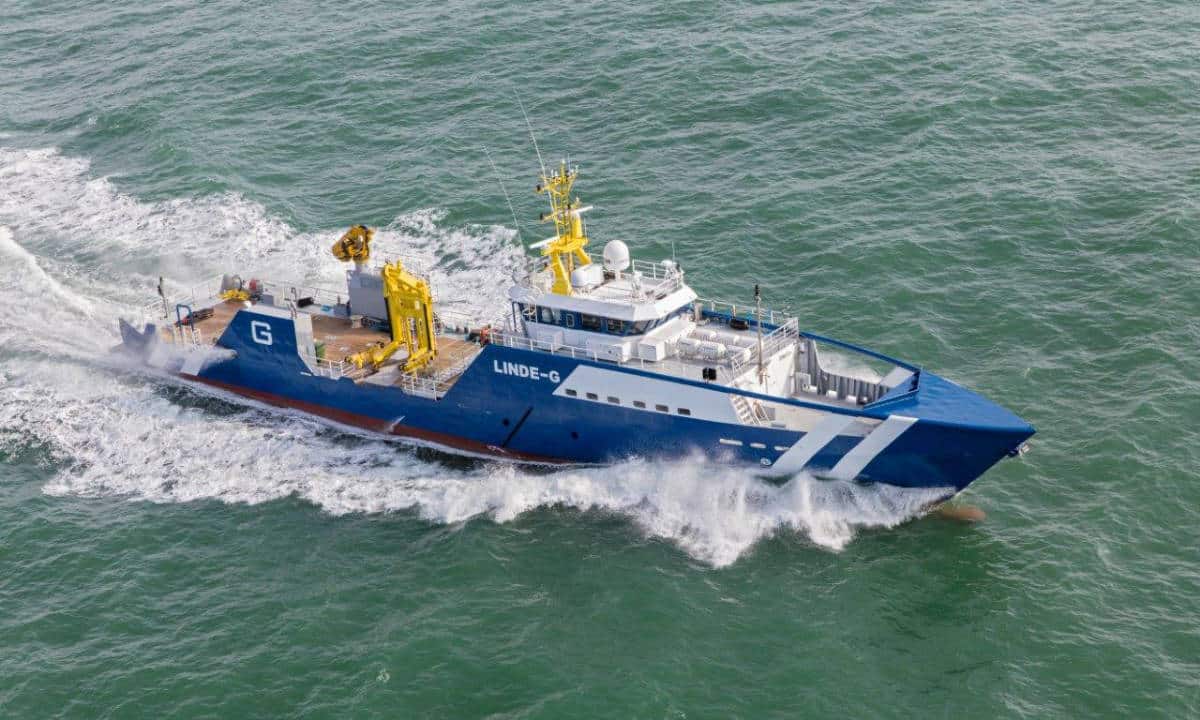
Commercial Ships
- Maximum operability
- Reduced fuel costs
- Future-ready design